
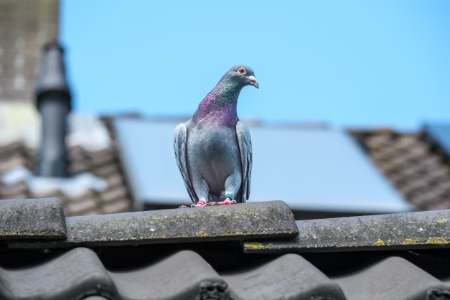
Trained wildlife technicians can remove or deter feral birds from rooftops, balconies, and ledges. They use a mix of exclusion tools and targeted deterrents to keep roosting and nesting from turning into a long-term problem. It’s not just about chasing them away once–they aim to stop the pattern from repeating.
In cities like Calgary, feral doves often settle close to vents or solar panels. Some properties seem to attract more than others–maybe because of regular feeding, leftover food, or certain building features. If you've noticed mess on your siding or the smell near vents, there's probably a nest nearby. And once they’ve settled in, they tend to stick around.
It’s rarely enough to clean up and hope for the best. Physical barriers like netting or spike strips may need to be installed. Sometimes one-way exits are used so the birds leave and can’t return. And depending on the situation, licensed technicians may apply repellents–carefully chosen to match the area and level of activity.
Neighbours might not agree on how serious the issue is, but property managers and homeowners usually see the effects firsthand: clogged gutters, droppings on walkways, and constant noise. So while opinions vary, the damage doesn’t. A proper removal strategy–followed by prevention–makes a noticeable difference.
Can a service actually stop pigeon issues?
Yes–but it depends how it's done. You won’t get lasting results with a single visit or just tossing up a plastic owl. What tends to work is a structured approach: physical barriers, behavioural changes, and ongoing maintenance. Those birds are persistent. If one method doesn’t block access, they’ll just move over a few feet and try again.
Netting and spike strips are standard, but not foolproof. Sometimes you’ll see them still nesting right next to the hardware someone installed last season. That’s where tailored strategies help. For example, mechanical methods–like spring-loaded deterrents or motion-triggered water sprayers–can push them to leave without harm. Here’s more on what is mechanical pest control if you're curious how those work.
Another angle? Food sources. Even if a roof is sealed up tight, pigeons won’t go far if they’re still finding crumbs nearby. Regular cleaning and habit changes–along with some pressure–can nudge them to relocate. A technician may also recommend more proactive techniques borrowed from rodent strategies. Think targeted exclusion or deterrent zones, not unlike what’s used in advanced mice pest control techniques.
So yes, it’s possible to move them out and keep them from circling back. But it’s not quick, and definitely not one-size-fits-all. Anyone promising instant results probably isn’t seeing the full picture.
How pest management companies handle pigeon removal from residential buildings
On multi-unit buildings, technicians often begin with a roof inspection. That's usually where the activity starts–behind vents, under overhangs, or on ledges. Once nesting or roosting spots are confirmed, the next step is to block access. Not by trapping or relocating, but by making the structure less attractive. Installing mesh, spikes, or angled guards keeps them from settling in the same spot again.
Property owners might expect something quicker, like sprays or bait, but bird control doesn’t work like insect treatments. It leans more on physical deterrents and habit disruption. If you're curious how indoor treatments differ, here's a detailed breakdown of where pest control sprays in apartments. It’s a very different process.
Adjusting methods for long-term results
The real challenge comes after the first visit. Birds are persistent. So follow-ups matter. Technicians may revisit to check whether deterrents hold up–especially after wind or snow. They might also recommend minor exterior repairs or ongoing inspections. Sounds tedious, but skipping these steps usually means the same birds–or their replacements–come back.
Sometimes, a few neighbours start noticing similar issues once one unit deals with it. In those cases, coordination helps. Service providers often explain the different types of pest control services available for various species, including birds. And if you're wondering whether insurance ever covers this kind of thing–rarely, but it depends. Here's more on whether home insurance covers pest control.
Extra measures when activity spreads
Sometimes bird problems overlap with other nuisances–like wasps near soffits or skunks under decks. If there’s more going on than just the birds, it's worth checking services like wasp and skunk removal. It’s not unusual to need a mix of interventions, especially around older buildings or ones with multiple entry points.
What deterrents and physical barriers are used to prevent pigeons from returning
The most reliable way to stop pigeons from settling again is to make your property less inviting. Spikes along ledges, for example, don’t hurt them–but they do make landing and nesting nearly impossible. If installed correctly, they blend into the building’s outline and don’t affect its appearance too much. Same with mesh netting. It’s often stretched across open balconies or behind signs where birds like to roost. These barriers create just enough interference that they move on to somewhere easier.
For open rooftops, sloped sheathing or angled strips can be added to ledges. These prevent them from finding a stable place to sit. It’s a bit of an architectural hack, but it works surprisingly well. Some companies also install thin electrified tracks–not strong enough to injure, but just enough to train the birds to stay away after a few attempts. And then there are visual deterrents: reflective discs, moving decoys, or even sound units that mimic distress calls. These aren’t always consistent long-term, but when combined with physical barriers, they can add another layer of resistance.
Behavioural triggers and maintenance
Sometimes it’s not just the structure, but the habits tied to it. Food scraps, birdseed, or even an overflowing garbage bin behind a house can be enough to attract them back. Blocking access without removing those temptations doesn’t go far. That’s why these methods tend to work best when paired with regular property upkeep.
And if someone’s still wondering how this compares to keeping animals away from cars or underground burrows, the principles actually overlap. Here’s a related guide on how to pest control your car, and another that covers outdoor issues like wildlife and vole pest services. For indoor problems, you might also want to see what’s involved in dealing with infestations like German cockroaches. It gives some perspective on how methods change depending on the environment.
When it’s necessary to involve wildlife or municipal services alongside pest control
If birds are nesting in places like roof vents, attic spaces, or other protected structures, you're not just dealing with a nuisance anymore – you're facing a situation that might require more than a standard removal service. In many Canadian cities, including Calgary, there are bylaws or provincial regulations that protect certain birds, especially during nesting season. That's when calling wildlife services becomes not just helpful, but necessary.
It’s also common for local bylaw officers or city departments to get involved if the infestation affects shared spaces or public property. For example, droppings on sidewalks, damage to city buildings, or bird activity disrupting nearby traffic might fall outside the scope of private services. In these cases, companies in Calgary like The Pest Control Guy can still assess and coordinate, but the actual resolution might need a multi-party effort.
Signs you need outside help
- Active nests in vents, soffits, or chimneys (especially if eggs or young birds are present)
- Large flocks gathering near commercial rooftops, solar panels, or apartment balconies
- Ongoing problems in areas governed by municipal rules – like parks, sidewalks, or heritage buildings
- Complaints from neighbours leading to potential city involvement
It's worth noting that professionals usually recognize these red flags early on and can help you figure out where private solutions end and public responsibility begins. They may also guide you through the process, or step back where legally required.
For situations that aren’t about birds, but involve similar complications – like when carpet beetles spread from a shared condo hallway into private units – see our page on can pest control get rid of carpet beetles.
Q&A:
How do pest control services approach removing pigeons from buildings?
Companies typically use a mix of methods such as humane trapping, exclusion techniques like installing netting or spikes, and cleaning up nesting sites. They focus on making the environment unattractive or inaccessible to pigeons to discourage their return. Chemical repellents may sometimes be applied, but physical barriers tend to be the main tool for long-term results.
Can pigeons come back after removal, and what prevents that from happening?
Pigeons often try to return if their previous spots remain accessible and inviting. Preventing their comeback usually means sealing entry points, installing deterrents like spikes or wires, and keeping areas clean from food scraps and nesting materials. Continuous maintenance is necessary because pigeons are persistent and can find new ways to settle if conditions allow.
Are there any risks or regulations to consider when dealing with pigeons?
Yes, in many places pigeons are protected by local wildlife laws, so methods that cause harm or kill them might be restricted or illegal. Using traps or exclusion devices usually aligns better with these regulations. Also, handling bird droppings requires caution due to health hazards, so professional cleanup and removal are often recommended for safety.
What makes pigeons so difficult to remove compared to other birds?
Pigeons adapt well to urban settings and breed year-round. Their ability to nest on ledges, roofs, and other hard-to-reach places, combined with their strong homing instinct, makes simple removal less effective. They also tolerate human presence and can survive on limited food sources, which adds to the challenge of discouraging them.
Is it possible to handle pigeon problems without professional help?
Homeowners can try some deterrents like installing spikes, netting, or reflective objects to discourage pigeons. Removing food sources and regularly cleaning areas also helps. However, because pigeons can be persistent and access hard-to-reach spots, professional assistance may be necessary to fully resolve serious infestations or ongoing issues.