
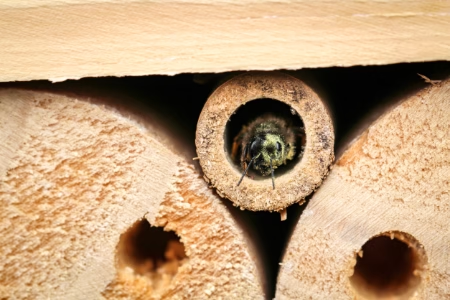
Direct intervention by a licensed technician is the most practical solution if wooden structures are already showing signs of damage–small round entry holes, piles of sawdust, or buzzing near eaves and railings. Most over-the-counter sprays won't reach deep enough into burrows to stop the nesting activity, especially if it's been going on for more than a few weeks.
I’ve seen homeowners try wood putty, citrus oil, even tin foil stuffed into holes. Sometimes it delays things. Rarely does it solve the issue. These insects aren’t just visiting–they’re nesting, chewing galleries inside timber to lay eggs. That’s an ongoing cycle unless the nesting chambers are treated thoroughly and sealed at the right moment.
A proper inspection usually uncovers more than one entry site. And in older homes or cedar structures, the infestation often runs deeper than expected. Professionals typically use dust formulations–applied directly into tunnels with specialized tools–followed by a foam or residual barrier. Timing matters here, especially if activity peaks around mid-spring. Delaying treatment can lead to more structural weakening or even repeat infestations in the same area next year.
If you’re near Calgary and suspect structural insects have moved into your deck, soffits, or fence posts, The Pest Control Guy can assess and treat the problem using targeted methods that address both current activity and future risk. It’s not just about blocking entry–it’s about breaking the nesting cycle for good.
Can Pest Control Get Rid of Carpenter Bees
Targeted insecticide treatments directly into active entry holes usually stop boring activity within a few days. Professionals often use dust formulations for this–those tend to cling inside tunnels better than sprays. You might hear faint chewing even after treatment, but that doesn’t always mean failure; some larvae keep moving briefly before exposure takes full effect.
For outdoor wooden structures like eaves, decks, and fence posts, sealing up abandoned holes with wood filler and painting over raw timber helps discourage new drilling. Untreated or weathered wood draws attention fast. If you’ve already noticed multiple entrance points, it’s worth scheduling recurring inspections during warmer months to catch return visits early.
Residual products are sometimes applied to surfaces around high-activity zones. They don’t prevent re-entry forever, but they’re a deterrent for weeks–maybe longer, depending on sun and rain exposure. Curious about what lingering residue smells like? You can learn more in this breakdown: how long does pest control smell last.
Occasional reapplication might be needed if activity spikes again next season. Some clients assume one visit solves it for good. That’s rarely the case with tunnelling insects. The key is not just disrupting the current generation but also preventing newly hatched adults from returning to the same site. Especially in Calgary, where summer infestations are short but intense, acting early in spring saves a lot of hassle later on.
How Pest Control Identifies Active Carpenter Bee Infestations
Look for fresh sawdust around wood surfaces, especially under eaves, decks, or fascia boards. That fine powder–called frass–isn’t just a sign of past activity. If it reappears after cleanup, there’s something currently boring into the wood. That’s often the first real giveaway.
You might also notice small, round holes roughly the size of a fingertip. These aren’t random. They’re almost always drilled perfectly round, and usually in soft or untreated lumber. If they're clean-edged and exposed, there’s a decent chance the nesting hasn’t stopped.
Listen, Then Tap
During the warmer months, especially midday when it’s sunny, you might hear faint scratching or buzzing behind boards. It’s subtle, but distinct. Some techs will gently tap wooden areas with a screwdriver handle or similar tool to check for hollow sounds. If it echoes slightly? There's a tunnel behind it.
Behaviour and Timing Matter
- Late spring through summer is when most activity peaks.
- Males hover aggressively near nest entrances but don’t sting–though it can be startling.
- Females are quiet but will defend the nest; their presence usually confirms a live colony.
In some cases, a follow-up visit might be recommended to verify whether treatments worked. A good sign? No new frass, no visible bees, and silence behind those planks. If you’re curious about post-treatment results, this breakdown of how long after pest control do bugs die might help clear things up.
What Treatments Are Used to Remove Carpenter Bees from Wood Structures
Direct application of residual insecticidal dust into entrance holes is usually the first step. It targets larvae and returning individuals hiding inside the tunnels. A common choice includes formulations based on deltamethrin or cyfluthrin–products designed to stay active for weeks. Timing matters here. These entries should be treated after dusk when activity slows down.
Once dust settles in, sealing the holes with wood filler or caulking foam is recommended–but not immediately. Wait at least 72 hours to let returning insects come in contact with the dust. If the holes are plugged too soon, the problem might just shift to a new spot nearby. It’s a bit of a balancing act.
Spray-based barriers applied directly to exposed wood surfaces also help deter future tunneling. These are often pyrethroid-based and meant for outdoor use. Reapplication might be needed after rainfall or once every couple of months during peak season.
Some professionals combine chemical methods with deterrents like painted finishes, metal flashing, or even hardwood plugs in vulnerable areas. Unfinished or sun-exposed wood–like soffits, fascia, or deck rails–is the most frequent target, so protecting these surfaces goes a long way.
For structures where chemicals aren’t a great option–like near vegetable gardens or where pets roam–a mechanical exclusion approach might be used. Think mesh screens, traps, or even structural reinforcements. It’s a slower path, but sometimes the safest.
Ongoing activity despite treatments often means nesting sites were missed, or reinfestation occurred. That’s where experienced local services like Calgary pest removal step in with site-specific strategies and follow-ups. One-time efforts rarely cut it long-term, especially with older wooden structures or seasonal patterns.
How Long It Takes for Pest Experts to Eliminate Wood-Boring Bee Activity
Expect visible results within a few days after targeted treatments are applied. If drilling and dusting are used inside active tunnels, it's usually enough to stop movement quickly. Most homeowners report a sharp decline in sightings after 48 to 72 hours. But full resolution? That might stretch to two or even three weeks, depending on weather, nesting depth, and whether the work included sealing and follow-up.
Spring nests, especially in untreated softwood trim or eaves, often have deeper galleries and multiple exit points. In those cases, a second application might be recommended–especially if the buzzing resumes or new sawdust appears near entry holes. This is where it helps to understand the broader strategy, like timing entry-point sealing *after* the inhabitants are neutralized, not before. It's something too many people skip, which extends the process unnecessarily.
Why Timing Varies
Older structures with repeat infestations often take longer to quiet down. It's not just about treating what you see–it’s about knowing where else activity could flare up. If your space hasn’t been protected before, it might also be worth asking about preventative spraying or barriers. These steps usually aren’t urgent upfront, but they shorten the timeline long-term.
Also worth considering: seasonal overlaps. In late summer, for example, the same wooden siding might attract both wood-boring bees *and* wasps. If you’re seeing mixed activity, combining services saves time. Related issues like wasp presence, or even moisture-loving insects, can complicate the timeline unless tackled together.
What Else Affects Resolution Time?
If you’re moving into a new place, dealing with this early matters. Starting fresh helps avoid surprises later. Here’s a useful read: should you do pest control before moving in. It’s also helpful to keep an eye on costs. Knowing the ballpark ahead of time makes it easier to approve a second visit if needed–this guide might help: how much does pest control cost.
In some rare cases, adjacent issues like decaying wood, high humidity, or vole tunnels around the foundation might delay results. A trusted vole pest control company can inspect for that kind of overlap. Or if the problem is a mix, not just wood-damaging species but larvae or fly problems too, this article on how to deal with maggots might be relevant.
Bottom line? Results aren’t instant–but they don’t drag on forever either. With proper timing, cleanup, and a quick seal of the galleries afterward, you're usually looking at a short-term nuisance, not a season-long headache. And if you're in the Calgary area, a proper evaluation from someone experienced with local conditions helps a lot–check out this option for a pest-free home.
Q&A:
How quickly can pest control methods eliminate carpenter bees from my property?
The time needed to remove carpenter bees depends on the severity of the infestation and the treatment method used. Professional pest control usually applies targeted insecticides to active nests, which can reduce bee activity within a few days. However, completely eradicating all nests and preventing re-infestation may take several weeks, as carpenter bees can tunnel deep into wood and sometimes return to old sites.
What specific techniques do pest control specialists use to treat carpenter bee infestations?
Experts often rely on a combination of direct insecticide applications inside tunnels and on exterior wood surfaces. Treatments include dusts or sprays that reach the hidden larvae and adults within the wood. In some cases, they may use traps or physical exclusion methods to reduce bee access. After treatment, sealing holes and repairing damaged wood are recommended to discourage new nesting.
Are carpenter bees harmful to wooden structures, and does pest control prevent structural damage?
Carpenter bees bore into untreated or weathered wood to create nesting galleries, which can weaken wooden beams, siding, or decks over time if left unmanaged. Pest control reduces or eliminates the bees, halting new tunneling activity. While the treatment stops further damage, existing holes should be repaired to restore structural integrity and prevent water infiltration or decay.
Is it possible for carpenter bees to return after professional pest control treatment?
Yes, carpenter bees may come back if old nesting sites are not properly sealed or if surrounding wood remains untreated. They tend to reuse favored areas. To reduce recurrence, pest control often includes recommendations for preventive maintenance such as painting or varnishing exposed wood, filling existing holes, and monitoring for new activity throughout the season.
Can I treat carpenter bees myself, or is professional pest control necessary?
Some homeowners use over-the-counter insecticides or traps to manage carpenter bees, but these methods may not reach all bees inside deep tunnels. Professional pest control technicians have access to specialized products and experience to effectively locate and treat active nests, increasing the likelihood of complete removal and reducing the chance of repeat infestations. For extensive or persistent problems, professional help is usually recommended.
How does pest control eliminate carpenter bees from wooden structures?
Pest control specialists use targeted treatments to remove carpenter bees from wood. They often apply insecticides directly into the holes created by the bees, which kills the adult insects inside. Additionally, treating the surface of the wood prevents new bees from establishing nests. Some treatments also include sealing the holes after the bees have been removed to block reentry. The process requires precise application to avoid harming beneficial insects and to ensure the wood remains intact.
How long does it take for pest control methods to stop carpenter bee activity?
The time frame for stopping carpenter bee activity varies depending on the severity of the infestation and the treatment used. Typically, visible bee activity diminishes within a few days after treatment. Complete elimination, including larvae inside the wood, can take several weeks. Regular follow-up inspections and possibly additional treatments help confirm that the bees have been fully removed and prevent future nesting.